Unlocking The
Psychedelic Mind
con el Dr. Chris Timmermann
Un curso en vivo y en línea de diez semanas sobre la neurociencia y la fenomenología de los psicodélicos, desde los compuestos clásicos hasta la DMT y el 5-MeO-DMT, los compuestos en el centro de mi investigación. Abordamos la consciencia, la meditación, la creatividad y las preguntas abiertas en la frontera del campo. Las sesiones se imparten en inglés. La inscripción para la edición de otoño de 2026 está abierta más abajo.
Aspectos Destacados
Diez semanas de inmersión en la neurociencia de los psicodélicos
Clases en vivo en línea con el Dr. Chris Timmermann, neurocientífico pionero en psicodélicos
Los hallazgos más recientes sobre psilocibina, DMT, 5-MeO-DMT y el funcionamiento cerebral
Exploración de modelos clave como REBUS, la entropía neuronal y la neuroplasticidad psicodélica
Sesiones semanales que combinan ciencia, filosofía y discusión crítica
Diálogo entre la sabiduría ancestral y la investigación contemporánea
Una oportunidad única de aprender junto a una comunidad internacional en línea
Dos encuentros presenciales opcionales en Londres para quienes participan en el curso
Certificado de finalización disponible
Sobre el Curso
Este curso ofrece una cobertura rigurosa de la neurociencia psicodélica: desde cómo actúan estos compuestos a nivel molecular y de redes cerebrales, hasta su potencial terapéutico y lo que revelan sobre la consciencia.
Cada sesión se apoya directamente en investigación actual, incluido mi propio trabajo con DMT, 5-MeO-DMT y la neurociencia de los estados no ordinarios. Examinamos qué nos dicen los psicodélicos sobre el self, la mente y la naturaleza de la experiencia consciente.
El curso también aborda la intersección entre los psicodélicos y la meditación, la creatividad y las aplicaciones clínicas, combinando precisión científica con las preguntas más amplias que estas experiencias plantean.
Lo que Obtendrás
Comprensión profunda
Una comprensión sólida de cómo los psicodélicos reconfiguran el cerebro y la consciencia.
Perspectiva terapéutica
Claridad sobre su potencial terapéutico para la salud mental y el desarrollo personal.
Mirada crítica
Una perspectiva crítica sobre los riesgos, la ética y las dimensiones sociales de su uso.
Inspiración creativa
Inspiración desde los cruces entre neurociencia, meditación y creatividad.
¿Para quién es este curso?
Este curso es para cualquier persona que quiera entender los psicodélicos desde una perspectiva científica, ya sea desde la salud, la investigación, la experiencia personal o la curiosidad.
Personas con experiencia psicodélica
Profundiza tu comprensión con marcos científicos rigurosos sobre lo que has vivido.
Profesionales de la salud y el bienestar
Adquiere fundamento científico para pensar los psicodélicos en contextos terapéuticos y clínicos.
Investigadores
Obtén la panorámica más actualizada de la neurociencia psicodélica de la mano de un investigador líder en el campo.
Mentes curiosas
Explora el cruce entre consciencia, neurociencia y algunas de las preguntas más profundas de la ciencia.
Tu docente
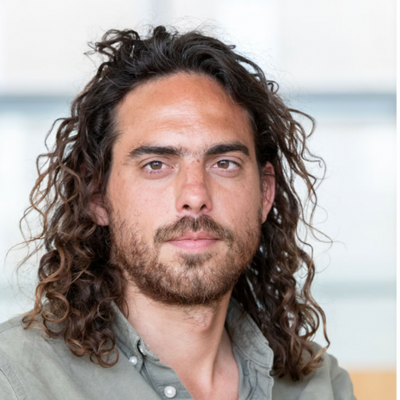
Dr. Chris Timmermann
El Dr. Chris Timmermann es neurocientífico y psicólogo, y explora cómo los psicodélicos y la meditación transforman la mente, estudiando la neurociencia de la consciencia no ordinaria para profundizar nuestra comprensión de la experiencia humana y la salud mental. Co-dirige el UCL Centre for Consciousness Research junto al Prof. Jeremy Skipper.
Obtuvo su doctorado en Neuropsicofarmacología en Imperial College London, donde lideró el Grupo de Investigación en DMT, un trabajo que fue pionero en la ciencia de los psicodélicos en la década de 2010. Su equipo investiga la neurociencia, psiquiatría, psicología y creencias asociadas a la meditación y los psicodélicos para informar la investigación sobre consciencia y salud mental.
Su trabajo se ha publicado en revistas de alto impacto y ha tenido amplia cobertura mediática, incluidos The New York Times, la BBC, The Guardian y WIRED. Ha impartido más de 200 charlas en todo el mundo como educador, conferenciante y comunicador científico, y enseña sobre psicodélicos, meditación, consciencia y estados no ordinarios en el Reino Unido, Estados Unidos, Europa y Latinoamérica.
Es director y co-fundador de la Fundación ECOH para el Estudio de la Consciencia Humana, que apoya la ciencia y la educación sobre estados no ordinarios en Latinoamérica. Su trabajo ha contribuido a configurar los psicodélicos como herramientas para la medicina y el desarrollo personal, y asesora a empresas y personas interesadas en estas aplicaciones.
Programa del Curso
Cinco módulos a lo largo de diez semanas, que abarcan neurociencia, fenomenología, investigación clínica y las preguntas de fondo que los psicodélicos plantean sobre la consciencia y el self.
Resultados de Aprendizaje
Al finalizar el curso, los participantes serán capaces de:
Explicar los principios centrales de la neurociencia psicodélica, incluyendo la neuroplasticidad, la modulación de redes cerebrales y modelos como REBUS y la entropía neuronal.
Describir cómo los psicodélicos afectan la percepción, la cognición y la experiencia del self, y conectar estos cambios con teorías más amplias de la consciencia.
Identificar el potencial terapéutico y los riesgos asociados a compuestos como la psilocibina, la DMT y el 5-MeO-DMT, incluidas sus aplicaciones clínicas emergentes.
Evaluar críticamente las dimensiones éticas, culturales y sociales del uso de psicodélicos, tanto en contextos clínicos como tradicionales.
Comparar y contrastar marcos antiguos y modernos para trabajar con estados no ordinarios, incluyendo prácticas chamánicas y comprensiones basadas en la meditación.
Articular cómo los psicodélicos pueden potenciar la creatividad, apoyar la sanación emocional y modificar patrones de pensamiento y conducta.
Participar en discusiones informadas sobre el futuro de la investigación psicodélica y sus posibles contribuciones a la salud mental, la neurociencia y el florecimiento humano.
Integrar perspectivas filosóficas y fenomenológicas para comprender mejor las dimensiones subjetivas de las experiencias psicodélicas.
Calendario del Curso
Los psicodélicos en la intersección entre neurociencia, terapia y sociedad
Fundamentos de la fenomenología, la neurociencia y la neuroplasticidad psicodélicas
Efectos terapéuticos de los psicodélicos
Psicodélicos, el self y la consciencia
Modelos de neurociencia psicodélica: REBUS, entropía y bucles cerebrales
Encarnada, extendida y enactiva: neurofenomenología psicodélica
La neurociencia de la DMT y el 5-MeO-DMT y la deconstrucción de la consciencia
La intersección entre psicodélicos y meditación
Psicodélicos, creatividad y estados de flow
Aprendizaje psicodélico y el futuro de la neurociencia psicodélica
Note: Cada sesión consiste aproximadamente en 1 hora y 15 minutos de clase más 45 minutos de preguntas y discusión, con una semana de lectura sin sesión el 3 de noviembre. Se proporcionarán grabaciones si no puedes asistir en vivo.
Lo que dicen los Participantes
This was a phenomenal programme. Looking forward to Dr Timmermann's upcoming newsletters and book!
These 10 sessions cover and provide a solid integration of neuroscience and phenomenological perspectives. I value the relaxed format, which allows for deep professional engagement at one's own pace and depth without pressure. It is a well-structured and highly relevant resource. Highly recommended.
This was an excellent course. The content was well-structured and delivered in such a way that someone with limited knowledge and experience could understand and process. There was so much here that I can apply to my own academic research, which is non-scientific but explores the possible personal and social benefits of psychedelic use.
The course was excellent! It covered many different aspects of psychedelics and related neuroscience, and was very well taught by Chris.
Brilliant course. Great teaching and scope of topic.
Inscripción abierta
Únete al curso
Martes, 19:00–21:00 GMT • Comienza el 28 de septiembre de 2026
- 10 clases semanales en vivo (2 horas cada una)
- Preguntas directas al Dr. Timmermann
- Grabaciones disponibles durante 6 meses
- Acceso a la comunidad privada
- 2 encuentros presenciales opcionales
- Certificado de finalización
También están disponibles la tarifa reducida de £250 y la tarifa solidaria de £504. Puedes ver todas las opciones en Dandelion.